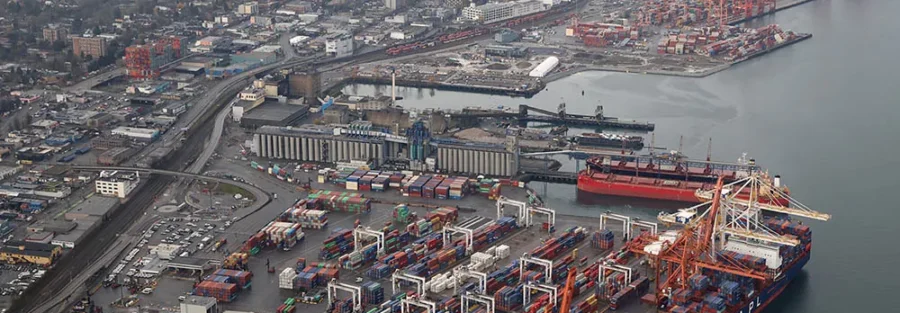
Canada’s ports are the backbone of its trade economy, moving over $1 trillion worth of goods annually. As container volumes surge in major hubs like Vancouver, Montreal, and Halifax, port authorities are under pressure to speed up cargo flow without compromising security or accuracy. That’s where RFID comes in.
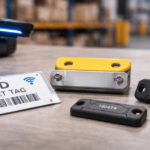
RFID technology allows ports to track containers, chassis, and even individual pallets in real-time. Unlike barcodes, which require line-of-sight scanning, RFID tags can be read remotely and in bulk—dramatically reducing bottlenecks at entry gates and cargo yards.
For example, the Port of Vancouver has experimented with RFID-enabled truck gates to automate vehicle entry. Drivers with RFID tags installed on their vehicles bypass manual checks, reducing gate wait times by up to 40%.
RFID also adds transparency across the supply chain. Shipping lines and logistics companies gain access to real-time movement data, reducing dwell times and improving cargo handoffs. Ports can use the data to identify congestion patterns, optimize resource allocation, and reduce environmental impact by lowering idle time.
In Montreal, the potential for RFID to integrate with terminal operating systems (TOS) and transport management systems (TMS) offers a new level of digitization. Combining RFID with geofencing and IoT sensors creates smart zones where container movements are automatically logged—no paperwork required.
From reducing pilferage to improving customs clearance accuracy, RFID is not just about speed—it’s about intelligence. With Canada investing billions in modernizing port infrastructure, RFID will play a central role in ensuring these facilities remain globally competitive.
To explore how RFID could be implemented at your logistics terminal or inland port, connect with 44North Tech, Canada’s trusted enterprise partner for RFID, AI, and mobile automation.
Visit https://44northinc.ca or call 647-937-9080 to speak with a specialist.